A complete 2026 guide to buying Washington carnelian: what makes a high-quality specimen, how to spot natural vs treated stones, current price ranges for rough and polished material, and where to buy with confidence.
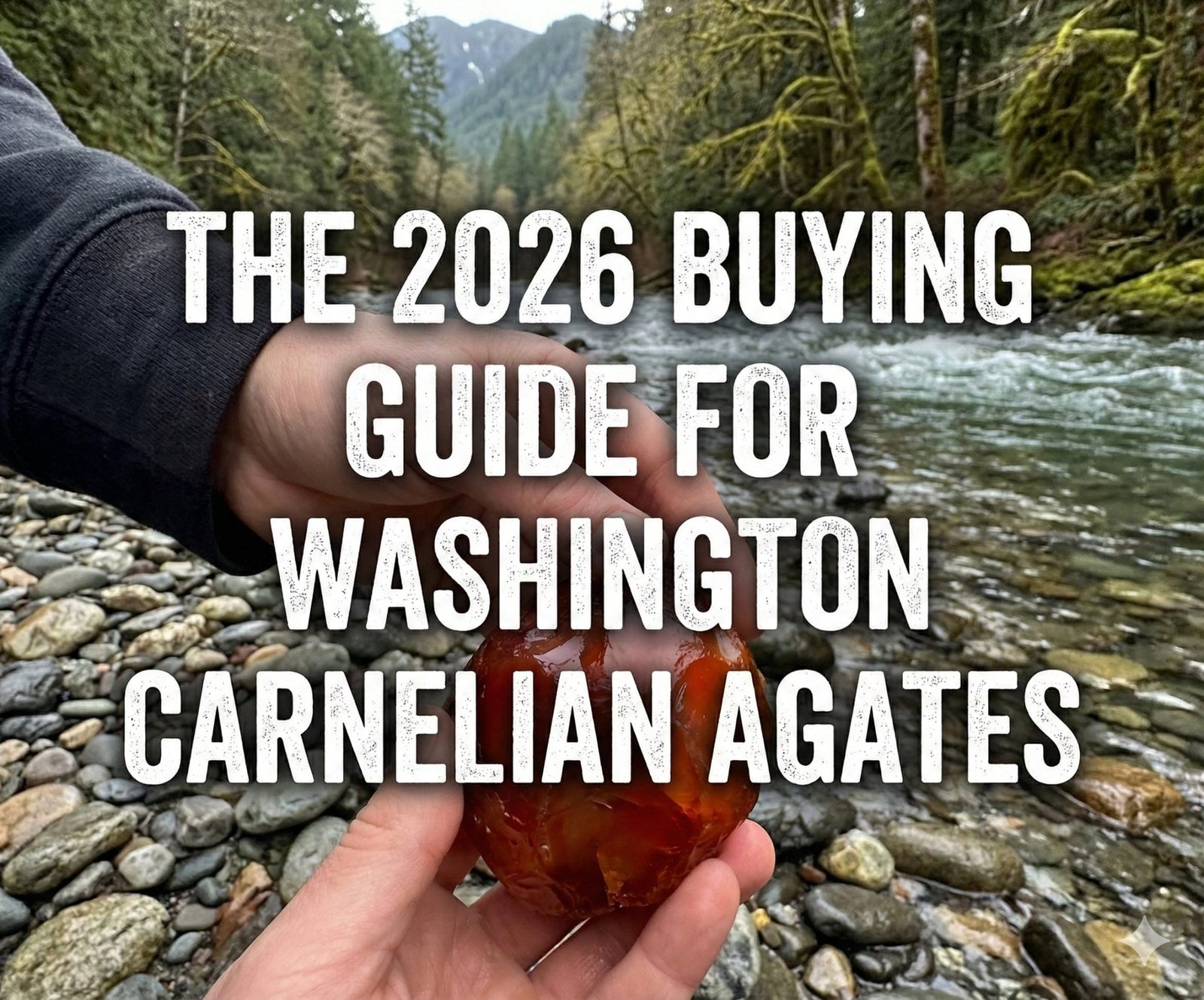
The world of gemstones is often filled with exotic imports and stones that have traveled thousands of miles across oceans to reach your collection. However, for those who live in or love the Pacific Northwest, there is a treasure that is much closer to home and far more unique than the mass-produced stones found in most shops. Washington carnelian is a gemstone that captures the very essence of the rugged and volcanic history of the region. This vibrant orange and deep red agate has become a favorite for collectors and jewelry makers alike, especially as we move into 2026 and see a renewed interest in locally sourced and natural materials.
Whether you are a seasoned rockhound or a first-time buyer looking for a piece of the Evergreen State, this guide will walk you through everything you need to know about purchasing these glowing river gems. We will explore what makes a high-quality specimen, how to avoid common pitfalls, and most importantly, what you should expect to pay in the current market.
The Volcanic Origins of a PNW Legend
To appreciate what you are buying, you must first understand the incredible journey these stones have taken. Roughly fifty million years ago, the land we now call Washington was a landscape of fire and lava. Massive volcanic eruptions created flows of basalt that covered the region. Within these cooling lava flows, gas bubbles formed small pockets or cavities. Over millions of years, silica-rich water filtered through the earth and into these pockets.
The secret ingredient for Washington carnelian is iron oxide. As the silica hardened into agate, the presence of iron created the signature fiery hues that range from a soft amber to a deep blood red. Because these stones are born from volcanic gas bubbles, they often retain a rounded or nodular shape, which makes them distinct from the jagged quartz or jasper found nearby. Eventually, the basalt around these agates eroded away and the stones were washed into the river systems of the Lewis County agate belt and the areas surrounding Mount Saint Helens. This natural tumbling process in the rivers gives them a smooth and frosted exterior that hides a brilliant and glowing interior.
Defining Quality in Washington Carnelian Agates
When you start browsing for carnelian online or at local gem shows, you will notice a wide range of appearances. Not every orange rock is a premium carnelian, and understanding the grading factors will help you make a smart investment. For a deeper dive into what makes carnelian high-quality, see our guide on texture, color, and clarity.
The Importance of Translucency and the Glow
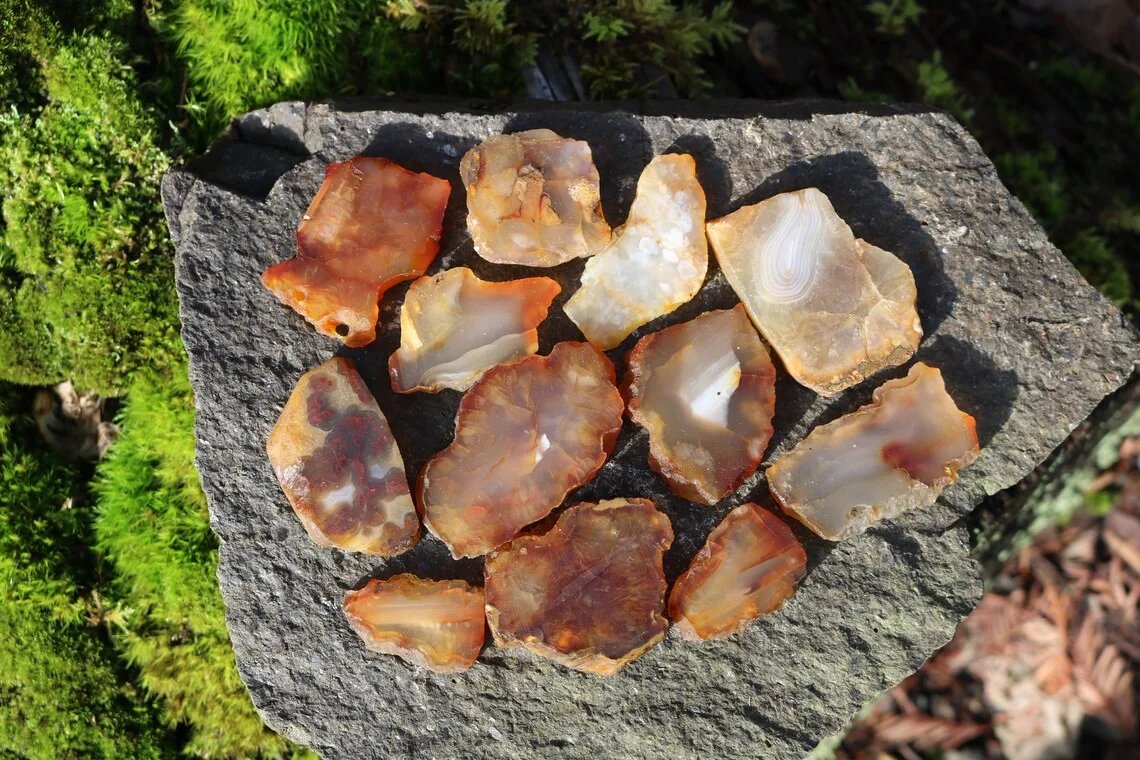
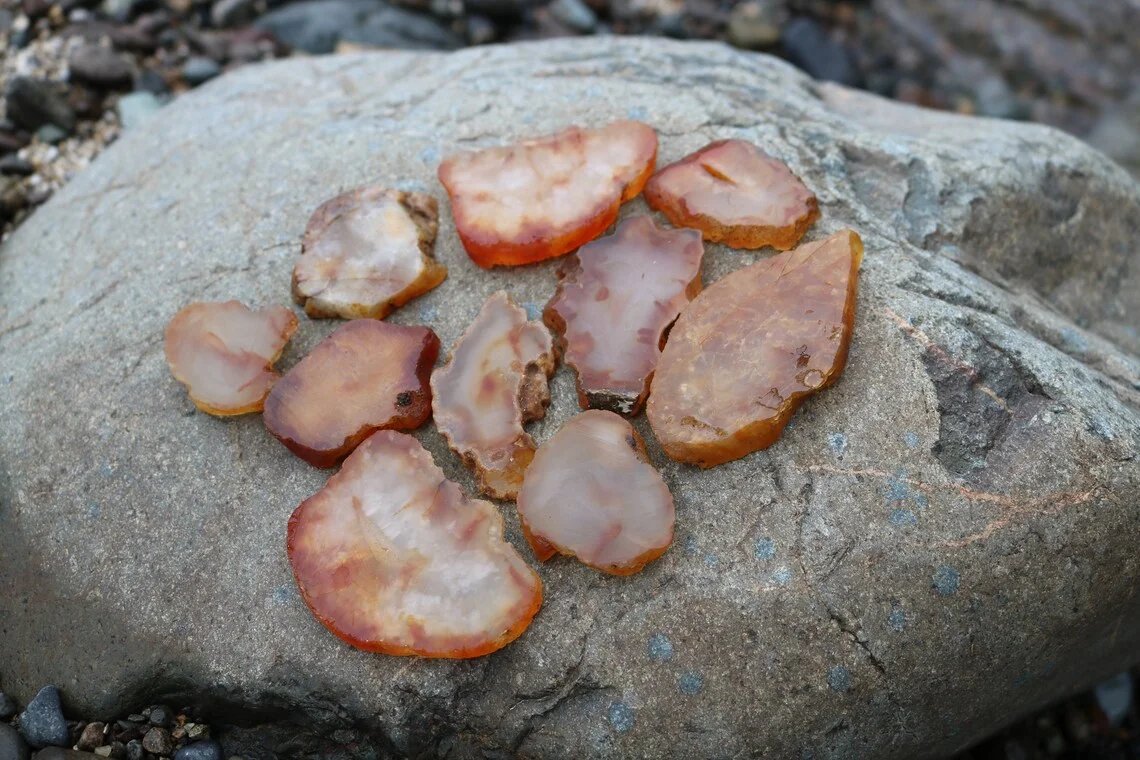
The most prized feature of any Washington carnelian is its ability to glow. When you hold a high-quality piece up to the light, it should appear translucent. This means that light can pass through the stone even if it is not perfectly clear like glass. Some stones have a milky or opaque quality that blocks the light, and these are generally considered lower grade.
In the 2026 market, collectors are looking for the glow factor. A stone that looks dark or almost black on the table but turns into a bright and fiery orange when backlit is a hallmark of a great Washington find. This translucency is what gives the stone its depth and makes it a perfect candidate for jewelry or display specimens.
Color Saturation and Tones
While carnelian is known for its orange color, the shades can vary wildly. The most common colors are light amber and honey orange. While these are beautiful, they are also the most abundant.
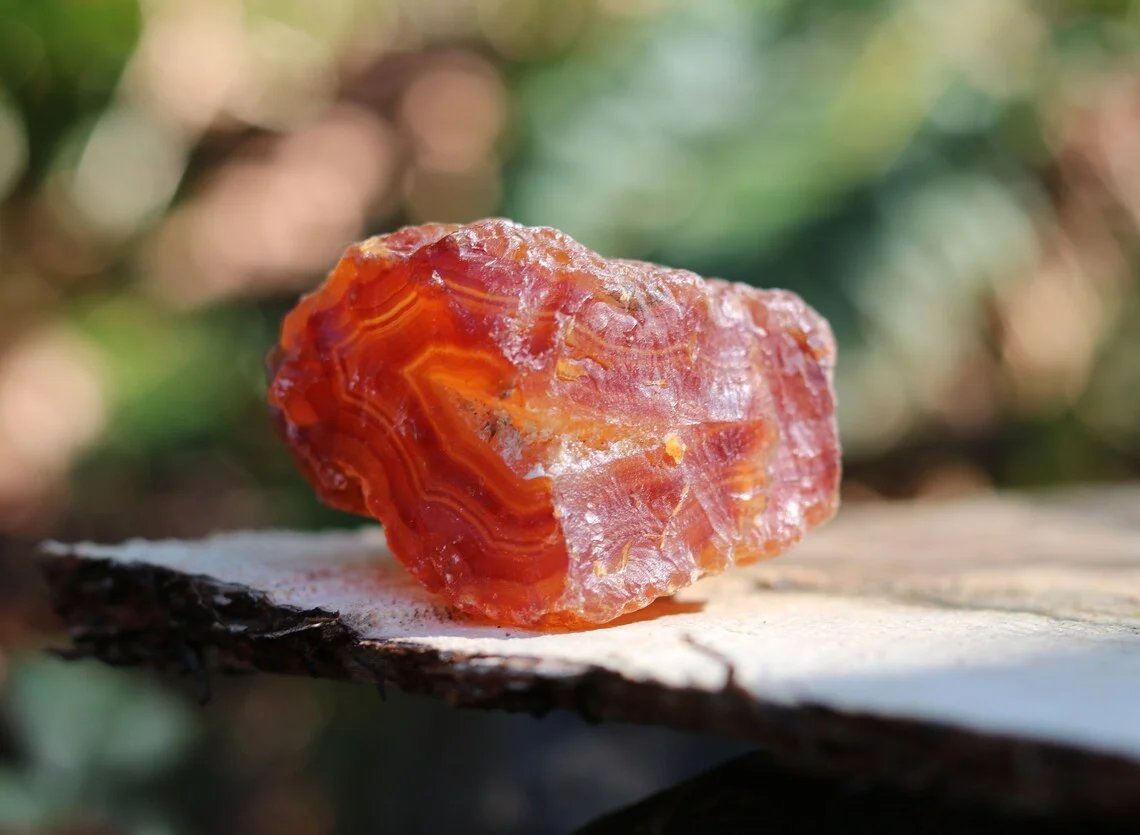
If you are looking for something truly special, you should seek out deep red or crimson tones. These are often referred to as blood carnelian or cherry carnelian. The deeper and more saturated the red is, the more valuable the stone becomes. Watch out for stones that have large areas of white or clear chalcedony. While some people enjoy the contrast, a pure and solid color throughout the stone is usually more desirable for high-end lapidary work.
Patterns and Internal Features
Many buyers assume that a solid color is always best, but the 2026 trend has shifted toward stones with unique internal patterns. You may encounter waterline banding, which looks like perfectly straight and parallel lines across the stone. This occurs when the silica layers settled flat within the volcanic pocket.
Another popular feature is fortification banding, where the lines follow the shape of the stone in concentric circles. You might also find druzy pockets, small openings inside the agate lined with tiny, sparkling quartz crystals. These features add character and story to the stone, making it a one-of-a-kind specimen that cannot be replicated by factory machines.
Natural versus Treated Stones
One of the biggest challenges for buyers in the modern market is the prevalence of heat-treated and dyed stones. Most of the carnelian sold in big-box stores or massive online marketplaces comes from India or Brazil. These stones are often a dull gray or brown in their natural state and are dyed and heated to achieve a bright and uniform orange.
Washington carnelian is special because it is naturally vibrant. The iron oxide was already present during the formation process millions of years ago. When you buy a natural stone, you are getting a piece of history that has not been altered by chemicals.
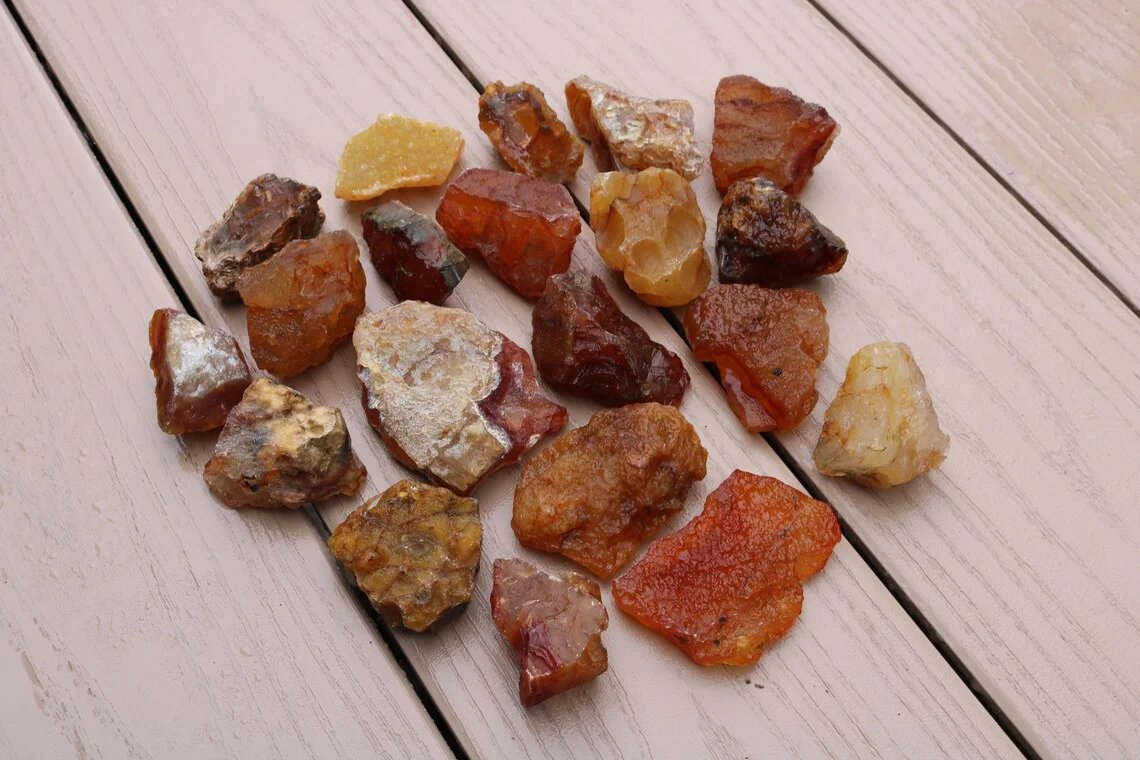
To tell the difference, you should look for the characteristic river wear on the exterior. Natural Washington stones often have a white or frosted skin with small indentations called C-shapes or impact marks from bouncing against other rocks in the river. If a stone looks too perfect or has an unnaturally bright and neon orange color, it might be a dyed import. For a step-by-step guide, read how to identify natural vs heat-treated carnelian. Choosing natural stones supports local hunters and ensures you have a genuine piece of the Pacific Northwest.
Market Trends and Price Guide for 2026
The price of Washington carnelian has seen a steady rise as more people discover the beauty of the Lewis County and Newaukum River finds. Since these are finite resources that must be found by hand, the prices reflect the labor and rarity involved.
Small and Tumbler Grade Rough
If you are looking for small pieces to put in a rock tumbler or to use for small crafts, you will usually find these sold by the pound or in small lots. For basic tumbling rough, you can expect to pay between fifteen and thirty dollars per pound. These pieces are usually one inch or smaller and may have some minor fractures or inclusions.
Hand-Sized Specimens and Cabbing Rough
For stones that are roughly the size of a golf ball or a small orange, you are entering the most popular category for collectors. These stones are large enough to be cut into beautiful cabochons for jewelry or kept as shelf specimens.
In 2026, a high-quality hand-sized piece with good translucency and color will typically cost between twenty-five and sixty dollars. If the stone has exceptional features like deep red color or clear banding, the price can easily climb toward the hundred-dollar mark.
Extra Large and Museum Grade Specimens
Large and intact carnelian nodules are becoming harder to find. When a hunter discovers a stone that weighs over a pound and is free of major cracks, it is a significant find. These extra-large specimens are often kept in their raw state to showcase the natural beauty of the river find.
Expect to pay anywhere from one hundred fifty to four hundred dollars for these premium pieces. The value here is driven by the rarity of finding a large and solid mass of silica that survived the harsh environment of a mountain river for thousands of years.
Polished and Finished Gems
If you prefer stones that have already been worked by a lapidary artist, the price will include the cost of the labor and equipment. A well-polished Washington carnelian cabochon for a ring or pendant usually ranges from forty to eighty dollars, depending on the skill of the artist and the quality of the material used. Large and polished display pieces that have been cut to show a window into the interior can reach several hundred dollars.
Where to Buy with Confidence
Because you want a genuine Washington stone, it is best to buy from sources that can tell you exactly where the stone was found. Many local rockhounds sell their finds on platforms like Etsy or at regional gem and mineral shows.
Look for sellers who specialize in Pacific Northwest materials. A good seller will provide photos of the stone both dry and wet, and ideally with a light behind it to show the translucency. If a listing mentions specific locations like the Newaukum River, Lucas Creek, or Salmon Creek, it is a good sign that the seller is a local hunter who knows their material.
You can shop Washington carnelian from Agate Outpost on our Etsy store. Every stone is hand-picked from Pacific Northwest rivers and sold with full transparency about origin. Avoid buying from massive overseas wholesalers if you are specifically looking for Washington carnelian. While their prices might be lower, you are almost certainly getting a treated and imported stone rather than a natural river gem from the volcanic heart of the Cascades.
Caring for Your Washington Carnelian Agates
Once you have purchased your piece of Washington history, you will want to take care of it so it stays beautiful for years to come. Carnelian is a variety of chalcedony, which has a hardness of about seven on the Mohs scale. This means it is quite durable and resistant to scratches from most everyday objects.
However, you should still avoid exposing your stones to harsh chemicals or extreme heat. While carnelian is formed in a volcanic environment, rapid changes in temperature can cause existing internal fractures to expand. To clean your stones, simply use warm water and a mild dish soap with a soft brush. For more tips, see our guide on how to clean and care for your carnelian agates. If your stone is polished, a quick wipe with a soft cloth will restore its vitreous and waxy luster.
If you have a raw specimen, you might find that it looks a bit dull when it is dry. This is the natural frosted skin of the river stone. Many collectors choose to keep their stones in a small display case with a light or even in a jar of water to maintain that wet and vibrant look that you see when the stone is first pulled from the riverbed.
Why Washington Carnelian Agates Are a Worthwhile Investment
As we look at the trends for 2026, it is clear that people value authenticity more than ever. A piece of Washington carnelian is not just a pretty rock. It is a physical connection to the ancient history of the land. It represents the patience of the hunter who spent hours walking through cold river water and the millions of years of geological pressure that created such a vibrant treasure.
When you buy a stone from the Agate Outpost or a similar local source, you are participating in a community of people who appreciate the natural world. These stones hold their value because they are unique and cannot be manufactured. Each one tells a story of a volcano, a river, and a person who found it.
Whether you are buying a small gift for a friend or a centerpiece for your own collection, you can do so with confidence knowing that Washington carnelian is one of the most beautiful and storied gemstones in North America. By focusing on translucency, color, and natural origins, you will find a piece that brings the warmth and energy of the Pacific Northwest into your life for a lifetime.
The beauty of the hunt continues, and the market for these glowing gems is stronger than ever. Take your time, look for the glow, and enjoy the process of finding the perfect piece of the Evergreen State to call your own.